
By Justin Tuburan
Risks to the region’s popular holiday sites are under a wide-ranging review as TCDC admits “gaps” in the current system.
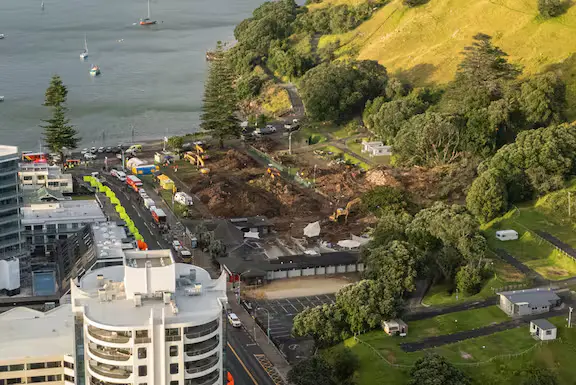
This comes after the Davison Report into January’s landslide at Mount Maunganui recommended a suite of changes to how Tauranga City Council manages hazard and risk management - finding the six deaths were preventable.
Local and regional councils around the country have since been looking into their own systems and possibly adopting the report’s recommendations.
As previously reported, Thames Coromandel District Council is among those reviewing the region’s existing system in light of the damning report.
CFM approached TCDC under the Local Government Official Information and Meetings Act to investigate the current state of the region's risk management for sites similar to the Mount Maunganui campground.
Staff revealed there is currently no consolidated view or compiled tracker of identified and ongoing risks to populated sites in the region, or readily available information on whether these sites have scheduled monitoring.
Council said “this reflects the current state of Council’s registers and processes and should not be read as indicating a lack of attention to the underlying risk” and added many of these “gaps” are already being looked at.
Staff were unable to provide a list of council-owned or council-controlled populated sites that sit below slopes or cliffs with an identified landslide, rockfall or debris flow risk.
They say TCDC does not hold a single register or list of such sites, and any hazards that are identified are managed by the team responsible for the site.
For each of these sites, council says they do not have a consistent district-wide criteria to identify possible risk to life and the levels of such risk in case of a severe weather event.
Staff say they expect such registers and consistent criteria to be a part of the ongoing review and possible changes.
For populated sites under a known hazard, TCDC says they do not use Trigger Action Response Plans as recommended by the Davison Report, with the district’s emergency response channels used for escalation where land instability is actively monitored.
TCDC also admits there is no existing programme of scheduled monitoring of known hazard sites generally, with risks to populated sites dealt with by the responsible on-site staff.
They say the scope and nature of a potential monitoring programme is also being considered.
When asked if council tracks geotechnical and hazard recommendations which are yet to be implemented, staff said there is no consolidated list.
They added that reports which may include such recommendations are held by their respective teams within the organisation and would take “substantial” effort to collect specific risk and hazard information.
In light of these “gaps”, council said they “recognise the value of a consolidated view”, again adding this “should be read in the context of the substantial work underway to reform how these risks are identified, recorded, rated and owned across the organisation”
Council approved funding in its September meeting to complete a review of the current hazard and risk management system in light of the Davison Report findings.

TCDC Chief Executive Aileen Lawrie says the report into January’s landslide was commissioned by, and meant for, Tauranga City Council, and its recommendations might not be applicable to the peninsula.
“As a smaller council, many of our teams are based close to the parts of the district we serve. That means we have faster and more direct access to what is happening on the ground, especially when something changes”.
She adds that “we also have good cross-team communication and all-of-council awareness of things that affect all of our work, such as natural hazards”.
Lawrie says the region has a long and exposed coastline with a wide range of risks to the district’s infrastructure and community isolation.
“Many of those things are not in our control, but what we can do is make informed and meaningful decisions about what we do, where we do it”.
TCDC’s ‘Peak Period Report’ for the 2025/26 summer estimates that between 500,000 and 600,000 people visited the region between December 20 and February 6 while having a year-round resident population of only 32,000.
The report says this places “significant and sustained demand on Council infrastructure and services”.
This includes pressure on many holiday parks and cliffside sites which could be under risk.
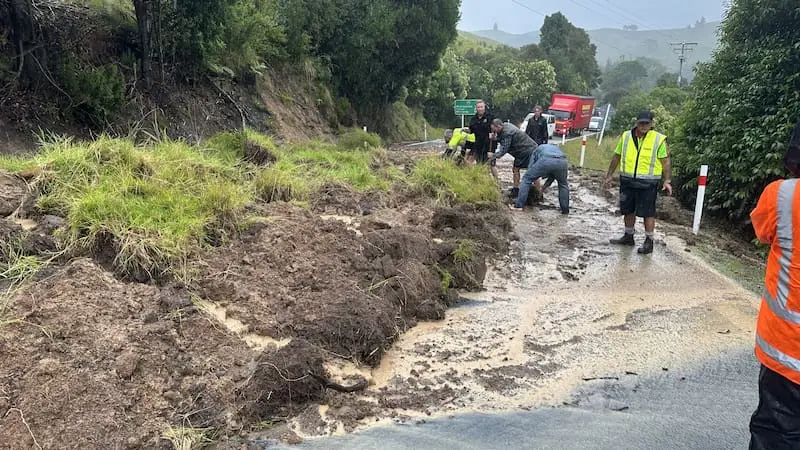
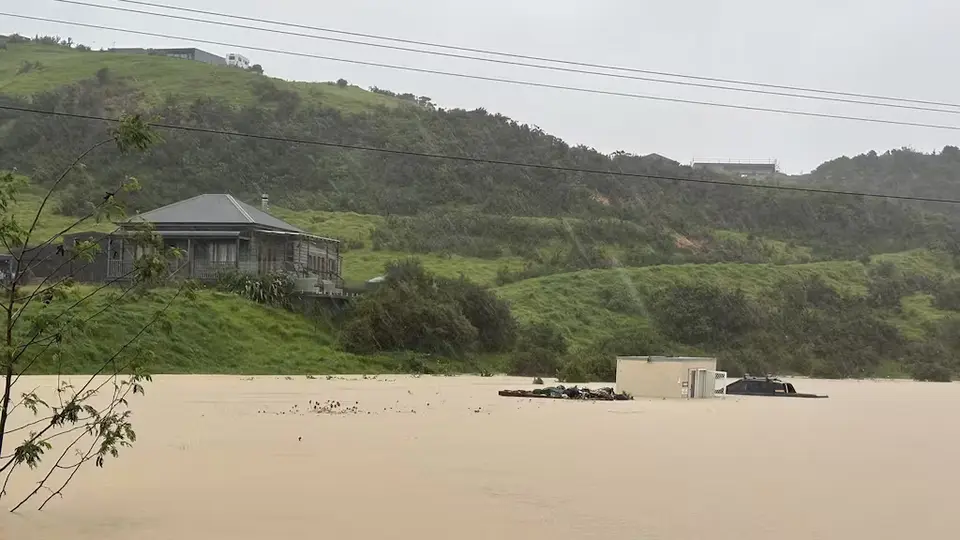
The last year saw two states of emergencies declared due to weather events in January and April which saw closures along State Highway 25 and houses reported damaged to varying degrees.
The final report findings into TCDC’s risk management system is expected to be returned to councillors early 2027.